REMEMBER
It's not your responsibility to decide whether or not abuse has taken place, but it is your responsibility to act if you have concerns. No action is not an option. Never ignore a concern; your information may be vital, no matter how insignificant you may think it is.
If a child or vulnerable person discloses information to you about abuse, here are some tips on how to handle that conversation:
DO:
- Make yourself accessible for that person to approach you
- Stay calm and reassure them
- Listen to them and take them seriously
- Explain what you are going to do next once they finish telling you
- Consult with safeguarding officers immediately - call the police if you have concerns about immediate risk
- Write down everything you have been told and include all the details you can.
DO NOT:
- React strongly; it may be very difficult for this person to tell you this information and your reactions may make it more difficult
- Jump to conclusions
- Make any promises to keep secrets - you will have to disclose any concerns
- Make speculations or ask leading questions
- Interrupt or stop someone whilst they are giving information
- Try to fill silences during a disclosure; allow them to think
- Dismiss or downplay their concerns
- Keep information to yourself - you have a duty to report a concern about abuse
Links for Parents and Carers and people in positions of care
NSPCC: 5 things to ask your child's Sports Coach when choosing a club for them
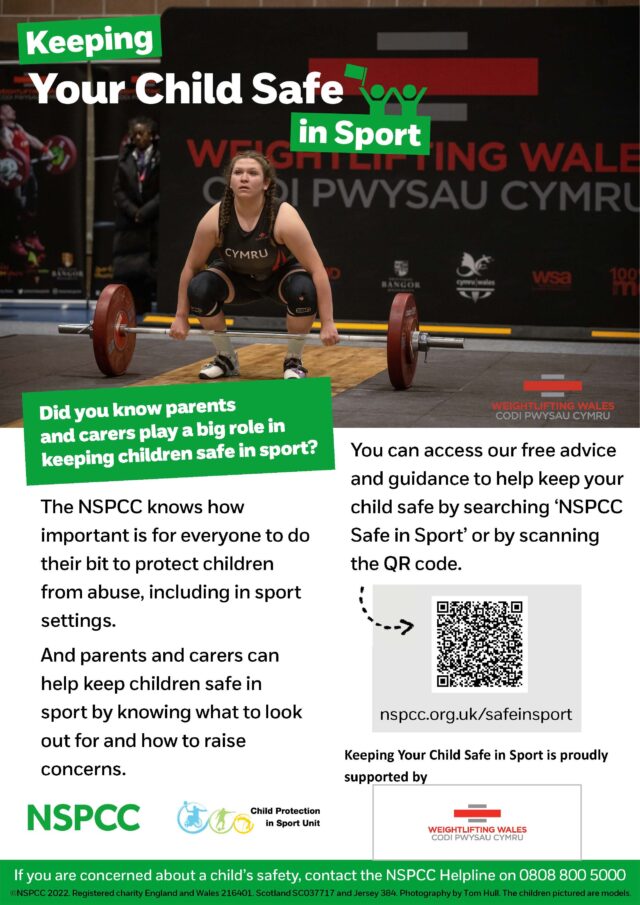
NSPCC: Keeping children safe in sport: A Parent's Charter
Child Protection in Sport Unit: Advice for Parents
NSPCC Parent Hub
Free E-Learning for Parents: Keep your child safe in Sport
NSPCC Information and Guidance on Protecting Children from Grooming
Upcoming Safeguarding Courses:
Time to Listen (Online)
Safeguarding Adults in Sport and Activity (Online)
Free Parent E-Learning (English)
Free Parent E-Learning (Cymraeg)
Training and webinars NSPCC Child Protection in Sport Unit